
Headlines


News
ASML cuts 1,700 leadership roles to declutter
Addressing the downside of rapid growth, ASML is overhauling its organization to regain agility and boost innovation power.

Opinion
Becoming an AI-first software-intensive company
For software-intensive systems companies, the opportunity isn’t to add intelligence to existing products and processes, but to reimagine the company itself as an intelligent system.
News
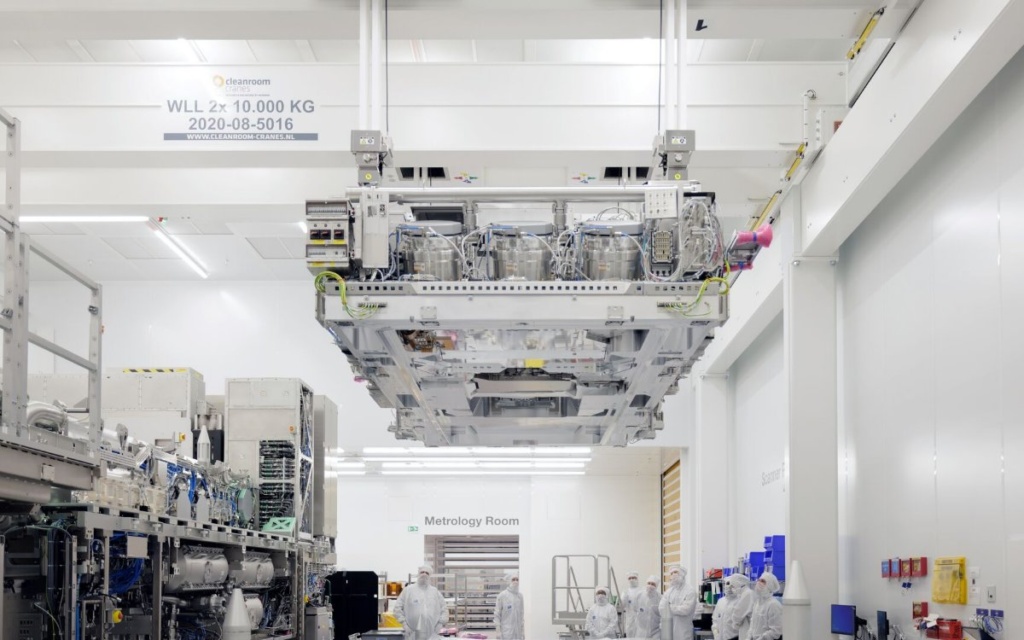
AI boom finally reaches Veldhoven: ASML sees surge in demand
Brainport, this is the moment you’ve been waiting for.
News
Intel quietly closes shop on High Tech Campus
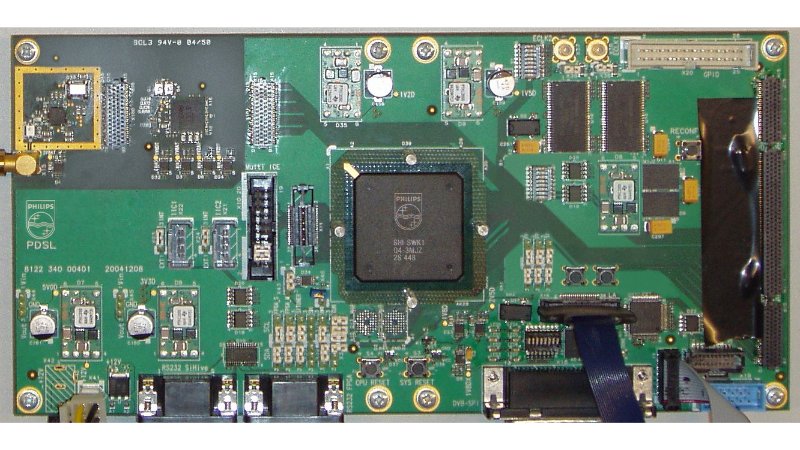
The Silicon Hive team was incubated by Philips in 2003 to develop parallel processing technology for systems-on-chip, acquired by Intel in 2011, all but dissolved in 2018 and now finally disbanded by the US chipmaker.
News
Europe’s photonics industry to EU: Don’t forget about us in next Chips Act
Europe’s photonics sector is urging Brussels not to sideline photonic chips in the updated EU Chips Act.
Analysis
Rethinking the chip market pushes 2030 estimate to $1.6T
A broader accounting of semiconductor value, which includes in-house design and integrated-systems makers, could push the market’s true size from 1 trillion to 1.6 trillion dollars by 2030.
Analysis
TSMC’s capacity crunch leaves door ajar for Intel and Samsung
Accelerating AI demand that TSMC alone can’t satisfy offers a window of opportunity for Intel and Samsung to regain market share in the leading-edge semiconductor market.
Top job
Events
Courses
News
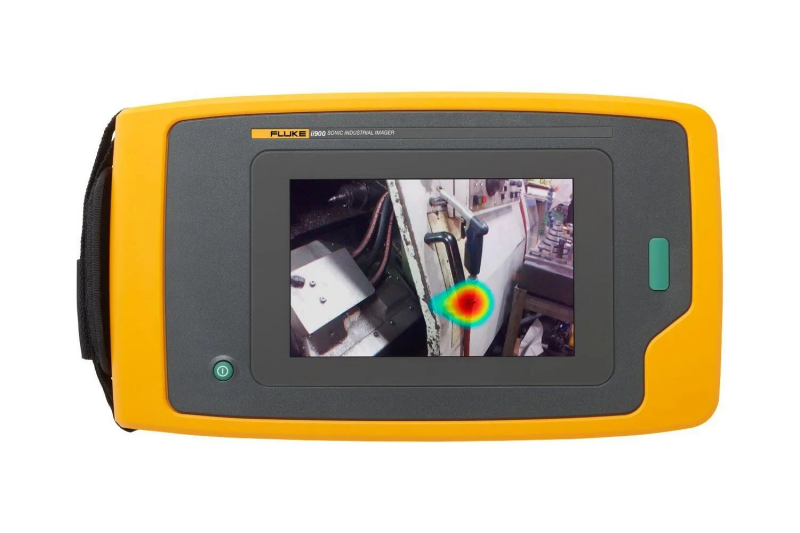
Dutch court backs Sorama in dispute with Fluke
Court case reveals how a once-promising partnership between the Eindhoven University of Technology spinoff and the US equipment manufacturer turned sour.
News
Throwing AI caution to the wind, TSMC announces massive capex hike
TSMC is no longer playing it safe. Having grown confident that the AI boom is here to stay, the foundry giant is lifting capital spending to record levels.

Background
“MEMS-based miniaturization enables low-cost, distributed sensing at scale”
As devices become smaller, smarter and more complex, sensor technology increasingly determines system performance and reliability. MEMS play an important but often underestimated role in this shift. For engineers, a solid insight into MEMS is essential for the design, integration and adaptation of future systems.

Video
Bits&Chips talks to Frank Rood
In a series of interviews with Bits&Chips (in Dutch), Frank Rood shares his views on modular working in systems development.

Editorial
The courts won’t resolve the Nexperia conflict
When the Dutch Enterprise Chamber convened its first public hearing in the Nexperia case on Wednesday, it was asked to rule on governance. What it can’t rule on is time.
News
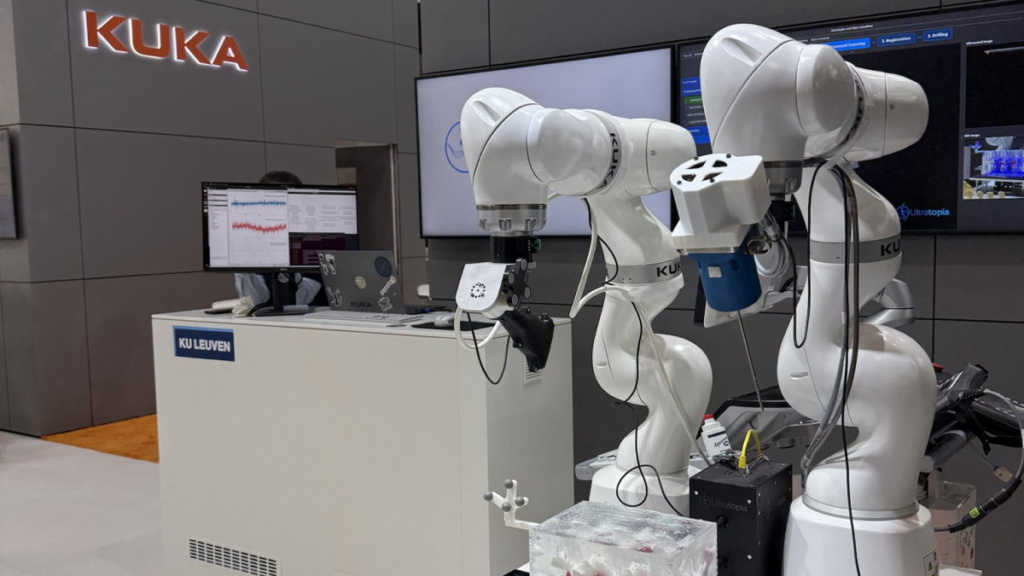
KU Leuven team streamlines spine surgery with dual robots and ultrasound
Robotic spine surgery demands great accuracy, but current imaging methods fall short. A KU Leuven research team uses dual Kuka robots and real-time ultrasound to reduce that risk, aiming for safer, more accurate pedicle screw placement without relying on continuous CT imaging.

Editorial
Wennink’s problem analysis backfired
Peter Wennink sought to strengthen his case with a forcefully argued diagnosis of the problem. Unfortunately, it proved a distraction.